
https://imjournalist.com/
Thermal Monocular or Night Vision: Which Is Right for You?
Optics technology has developed rapidly in recent years, giving shooters, landowners and outdoor enthusiasts far more choice than the traditional rifle scope alone.
Two of the most popular options are thermal monoculars and digital night-vision devices. Both allow users to observe their surroundings when ordinary daylight optics become less effective, but they work differently and suit different situations.
Understanding those differences can help you choose equipment that genuinely matches your needs rather than simply buying the model with the longest specification list.
How Does a Thermal Monocular Work?
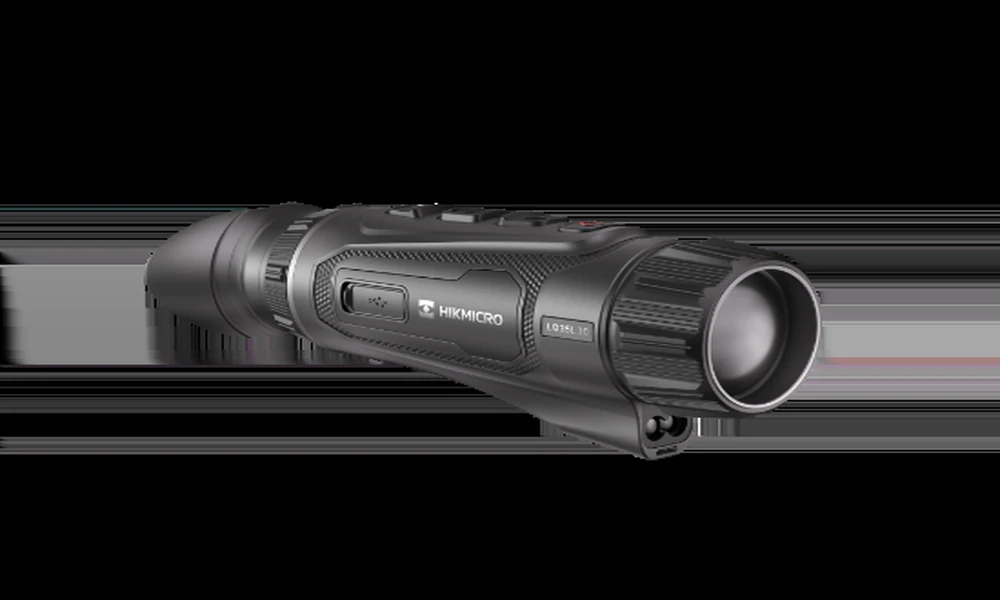
A hikmicro thermal monocular detects differences in temperature rather than relying on visible light.
Warm animals, people, machinery and other heat sources appear against the surrounding environment, making thermal particularly useful for quickly locating a subject. It can continue to work in complete darkness because it does not need moonlight or an infrared illuminator to create an image.
Thermal equipment may also help when visibility is reduced by light mist, vegetation or difficult background conditions. However, the amount of detail shown will depend on the sensor, lens, display and viewing distance.
Solware stocks thermal monoculars and related optics from manufacturers including HIKMICRO, Guide Outdoor, Infiray and ATN, with options ranging from compact handheld spotters to advanced thermal and optical systems.
How Is Night Vision Different?
Digital night vision uses available light and electronic image processing to produce a recognisable picture.
Many devices can also work with an infrared illuminator, which projects light that is invisible to the naked eye but can be detected by the night-vision sensor. This usually creates a more familiar image in which fences, trees, buildings and other background details are easier to recognise.
Night vision can therefore be useful when identification and environmental detail are particularly important. It may also offer a more affordable entry point for people who do not require the detection capabilities of a thermal device.
Unlike thermal imaging, however, night vision does not show heat signatures. Its performance can also be affected by the amount of available light, the quality of the infrared illuminator and reflective objects within the scene.
Which Is Better for Locating a Subject?
Thermal monoculars are often chosen for scanning because a heat source can stand out quickly from the background.
This allows the user to cover an area efficiently before switching to another optic where appropriate. A compact handheld monocular can also be carried separately without permanently changing the existing air rifle or rifle setup.
Night vision may take longer to reveal a well-concealed subject, particularly where the colours and textures blend into the surroundings. However, it can provide more recognisable visual detail once the subject has been located.
For some users, the most practical solution is not choosing one technology over the other but using thermal for initial detection and night vision for closer observation.
Consider the Distances Involved
Advertised detection distance should not be confused with identification distance.
A thermal monocular may show that a heat source is present at a considerable distance without providing enough detail to determine exactly what it is. Higher sensor resolution, suitable lens size and better thermal sensitivity can improve usable image quality, but they also influence the price.
Before buying, think realistically about the distances at which the equipment will normally be used. Someone observing across large open fields may need a different device from a shooter using an air rifle at typical airgun distances.
Features Worth Comparing
Modern thermal and night-vision products may include image recording, Wi-Fi connectivity, removable batteries, laser rangefinders, multiple viewing modes and picture-in-picture displays.
These features can be useful, but they should not distract from the basics. Image quality, battery life, field of view, comfortable controls and suitable viewing distance are usually more important than functions that may rarely be used.
You should also allow for the cost of relevant accessories, such as spare batteries, protective cases, chargers, mounts and external infrared illuminators.
Get Advice Before Buying
Thermal monoculars and night-vision optics can represent a significant investment, so choosing the right model is important.
Solware supplies thermal vision, night vision, telescopic sights, rangefinders and optics accessories for air rifles, air pistols, rifles and outdoor observation.
Explore the available range at https://www.solware.co.uk/. For practical product advice or help checking availability, call 01827 215222 or email sales@solware.co.uk.