
Most people who want a nicer smile have already stared at the same three things in the mirror: a chip on a front tooth, a gap they’ve hated since high school, and a color that whitening strips never touched. They walk into a consult expecting one answer and leave with four. Here’s the short version: cosmetic restoration isn’t a single product. It’s a category of treatments, and the right pick depends on what your tooth has left to work with.
If you’re anywhere in central Virginia, you can skip the generic search and go straight to cosmetic dental restoration Charlottesville, where the consult usually starts with a scan and a conversation rather than a sales pitch. Everybody else, keep reading, because the logic is the same in any city.
The core idea you need to hold onto: cosmetic work falls into two families. Additive treatments build material onto your tooth. Subtractive treatments reshape what’s already there. Almost every procedure you’ve heard of lives in one bucket or the other.
Additive or subtractive? Start with that question
Additive options include composite bonding, porcelain veneers, and full crowns. Subtractive options include enamel reshaping, gum contouring, and orthodontics. The difference matters because additive work is reversible in some cases and permanent in others. Bonding can often be polished off. A crown cannot.
Here’s how I’d sort the common procedures if you’re standing in the consult room trying to decide:
- Composite bonding: cheapest, done in one visit, best for small chips and slight gaps.
- Porcelain veneers: the strongest cosmetic result, requires removing some enamel, and lasts a long time with care.
- Full crown: the workhorse when a tooth is cracked or heavily filled and needs structural support, not just a prettier surface.
- Reshaping and contouring: the smallest footprint, ideal when your teeth are mostly fine and just slightly uneven.
Notice what’s missing from that list: “whichever one looks best on Instagram.” I’ve seen people push for veneers when a night guard and a little bonding would have solved the actual problem. More material is not automatically better.
What actually happens in the chair
A good restoration appointment has a rhythm. First comes the diagnostic piece: photographs, digital impressions, and a conversation about what bothers you and what you’d leave alone. Then the plan gets built, sometimes with a wax-up or a temporary mock-up you can wear for a few days.
That mock-up stage is the part patients underestimate. It’s your one low-stakes chance to see the shape and length in your own mouth before anything permanent happens. Say no there if it looks wrong. Saying no later costs money.
Treatment day itself is usually shorter than people fear. Bonding is often a single sitting. Veneers typically span two or three visits because the lab needs time to craft the porcelain. Crowns are similar. If a tooth needs rebuilding underneath, that comes first, and cosmetic work waits until the foundation is stable.
Preserving your natural teeth before you replace them
A cosmetic plan that ignores the health of the underlying tooth is a bad plan, no matter how good the photos look. According to the American Dental Association, preserving natural tooth structure remains a foundational principle of restorative care, and that principle should shape your choices. That’s why a dentist will sometimes steer you toward the less flashy option. Keeping more of your own enamel is usually the better long-term bet.
Ask directly in the consult: how much natural tooth will I lose with this option, and what happens if I want to change course in ten years? A clinician who can answer that without flinching is the one you want.
The cost conversation nobody enjoys
Cosmetic work is rarely covered by insurance because it’s elective. That’s not a scam, it’s just how most plans classify it. What matters is whether the practice gives you a clear written estimate before anything begins and offers a payment path that doesn’t require a second mortgage.
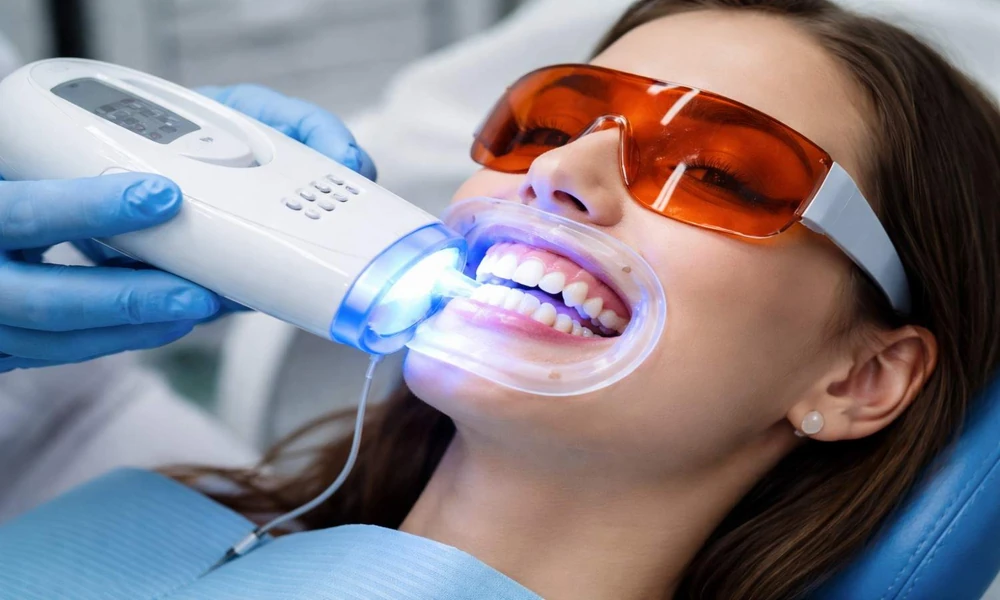
I’d rank the value of the common options this way. Bonding wins on entry price. Veneers win on longevity per dollar over a decade. Crowns win when the tooth genuinely needs structural help. Whitening is the cheapest win available and worth trying before anything else if color is your only complaint.
One warning: don’t let a low headline price decide it for you. Replacing cheap bonding three times costs more than doing it properly once.
Five things to check before you commit
Here’s a checklist I’d hand a friend. First, confirm the practice photographs your smile before and after, and ask to see results on teeth shaped like yours. Second, ask who makes the restorations, an in-house lab or an outside one, because turnaround and revision speed depend on it. Third, verify you get a written treatment plan with the materials named. Fourth, ask what the adjustment policy is if a veneer feels off a week later. Fifth, find out whether the dentist does the work personally or hands cosmetic cases to an associate.
That last one catches people off guard. You can meet the dentist at the consult and have a different set of hands on your front teeth six weeks later. Asking is not rude.
Managing expectations about results and timelines
Broad research on patient satisfaction with aesthetic dental treatment shows that clear communication before treatment matters as much as the technique itself, which is a theme the National Institutes of Health has documented across care settings. Translated to your appointment: what you picture and what your dentist pictures need to match before a single instrument comes out.
Bring a photo of a smile you like, but bring a second one too, of something you don’t want. Negative references are often more useful than positive ones. And plan for the reality that your gums may need a couple of weeks to settle around new restorations before everything looks finished.
My honest recommendation
If your teeth are healthy and the complaint is small, start with bonding or contouring. If you have significant wear, multiple chipped front teeth, or discoloration that whitening won’t fix, veneers are the better spend, and you should budget for them properly rather than hunt for the cheapest quote.
The smile you actually want is usually one decision away from the smile you keep postponing. Book a consult, bring your questions, and let the scan tell you what your teeth can support. What’s the one thing you’d fix first if you weren’t worried about the price?