
Most conversations about a worn roof get reduced to two choices: patch it or replace it. In practice there are several options between those extremes, and each one fits a different stage of wear. Choosing the right one depends less on the roof’s age and more on the condition of three things: the shingles, the decking underneath and the flashing that seals every opening.
A 15-year-old roof with flexible shingles and solid decking may only need minor work. An 11-year-old roof hit hard by hail may need replacement. Treating the decision as a ladder helps. Start at the lowest rung that actually solves the problem and move up only when the evidence calls for it.
When the evidence does point to the top rung, homeowners in Floyd County and the surrounding area can rely on Camco Roofing for Residential Roof Replacement in Rome, with crews installing high-quality architectural asphalt shingles designed to hold up to Georgia’s rough weather. The same team handles insurance restoration after storm damage and stays on call 24 hours a day for emergency tarping when a leak can’t wait. To find out where your roof sits on the ladder, call or text (404) 444-6003 and request a replacement estimate or a second opinion on repair.
How the Options Compare
| Rung | Usually Triggered By | Relative Cost | What It Buys You | Disruption at Home |
|---|---|---|---|---|
| Routine upkeep | Debris, clogged gutters, algae streaks | Lowest | Slows wear on an otherwise healthy roof | Minimal |
| Spot repair | A cracked pipe boot, a few missing shingles, loose flashing | Low | Stops a specific leak | A few hours |
| Section repair | Storm damage limited to one slope | Moderate | Restores one area to full function | About a day |
| Rejuvenation | Dry, brittle shingles with intact decking | Roughly 15% to 30% of replacement | Several added years of service | Minimal |
| Overlay | Worn shingles on a single, flat existing layer | Below a tear-off | New surface without full removal | One to two days |
| Full replacement | Deck damage, multiple leaks, widespread failure | Highest | A new system from the deck up | One to three days |
Rung One: Routine Upkeep
The least expensive fix is preventing trouble. Cleaning gutters twice a year keeps water from backing up under the drip edge. Clearing pine needles and leaves from valleys stops moisture from sitting against shingles. Trimming branches that overhang the roof reduces scraping and shade, which in turn slows algae and moss growth.
Soft washing, a low-pressure cleaning method using a mild solution, removes dark algae streaks without stripping granules. Pressure washing does more harm than good on asphalt shingles and should be avoided.
Rung Two: Spot Repairs
Many leaks come from small parts rather than the shingles themselves. Rubber pipe boots around plumbing vents tend to crack from sun exposure years before the surrounding roof wears out. Sealant around chimney flashing dries and separates. A single wind-lifted shingle can let rain in along one course.
These repairs are quick and inexpensive when caught early. The hidden cost of delaying them is water damage to the decking, insulation and ceiling below, which pushes the homeowner several rungs up the ladder.
Rung Three: Section Repairs
When a storm damages one slope and leaves the rest intact, replacing just that section can make sense. The main challenge is matching. Shingle colors fade over time, and product lines get discontinued, so a new patch may look noticeably different from the rest of the roof.
Insurance claims often turn on this point. Some policies cover matching materials across the whole visible roof plane, while others don’t. Reading the policy language and documenting damage with dated photos shortly after the storm helps avoid disputes.
Rung Four: Rejuvenation
Rejuvenation addresses a roof that is structurally sound but drying out. Bio-based treatments, many derived from soybean oil, are sprayed onto asphalt shingles to restore some of the oils lost to sun and heat. The shingles regain flexibility and hold granules better.
This option works only when the underlying roof is healthy. A quick flexibility test tells a lot: if a shingle tab bends without cracking, the roof may be a good candidate. If tabs snap, are curling badly or the decking feels soft underfoot, rejuvenation is the wrong tool. Growing interest in these treatments reflects a broader shift toward extending material life instead of sending roofs to landfills, where asphalt shingles make up a large share of construction waste.
Rung Five: Overlay
An overlay installs new shingles directly over the old layer. Building codes generally allow two layers on residential roofs, and skipping the tear-off lowers labor and disposal costs.
The trade-offs are real, though. Installers can’t inspect or repair the decking underneath. Extra weight stresses the structure. Many manufacturers limit warranty coverage on overlays, and the second layer usually has to come off at the next replacement anyway, which adds cost later. Overlays suit a narrow set of roofs: one existing layer, flat and even, with no sign of deck problems.
Rung Six: Full Replacement
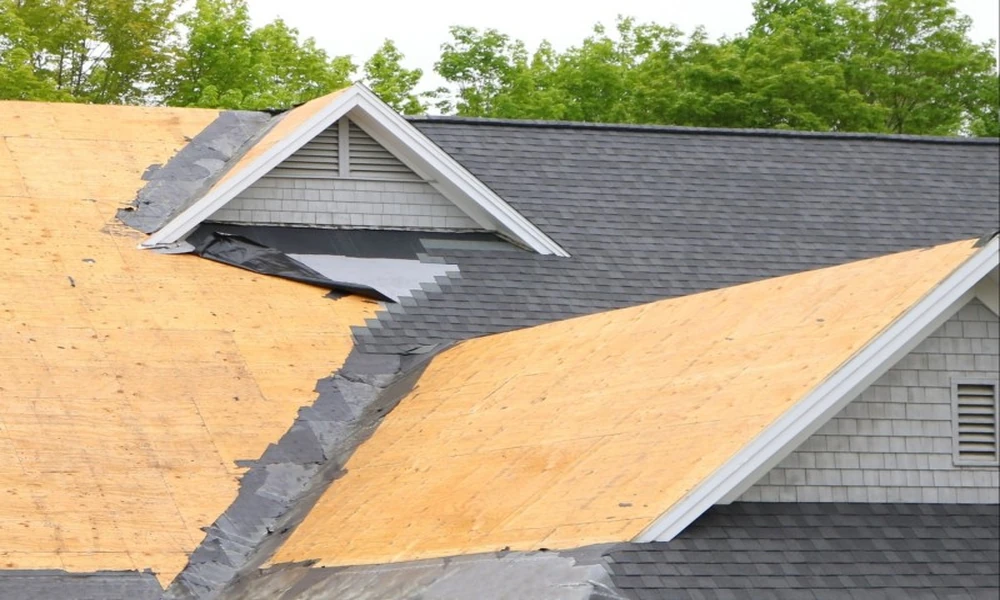
A complete tear-off becomes the right call when damage reaches the decking, leaks appear in several places, or the shingles are failing across the whole roof. It is also the only option that allows every component to be upgraded at once.
Several trends shape modern replacements. Architectural shingles, thicker and more dimensional than older three-tab styles, have become the standard for most homes. Synthetic underlayment has largely replaced felt paper because it resists tearing and moisture better. Ice and water membranes in valleys and around penetrations add another layer of leak protection. In storm-prone areas, Class 4 impact-resistant shingles are gaining popularity, and some insurers offer premium discounts for them.
Replacement is also the moment to fix ventilation. Balanced intake at the soffits and exhaust at the ridge keeps attic heat from aging the new shingles prematurely.
Reading the Ladder Correctly
The most common mistake is jumping straight to either end. Homeowners who replace too early spend money a repair or treatment could have saved. Those who patch too long often discover rotted decking that turns a straightforward job into a larger one.
A professional inspection that checks shingle flexibility, granule loss, decking condition, flashing and attic ventilation gives the clearest picture of which rung fits. Getting that assessment before the next storm season, rather than after a leak, keeps every option on the table.