
Preparing your vehicle for auto transport involves several key steps, and managing your fuel level is one of the most important. A common question among vehicle owners is: How much gas should you leave in your car before shipping?
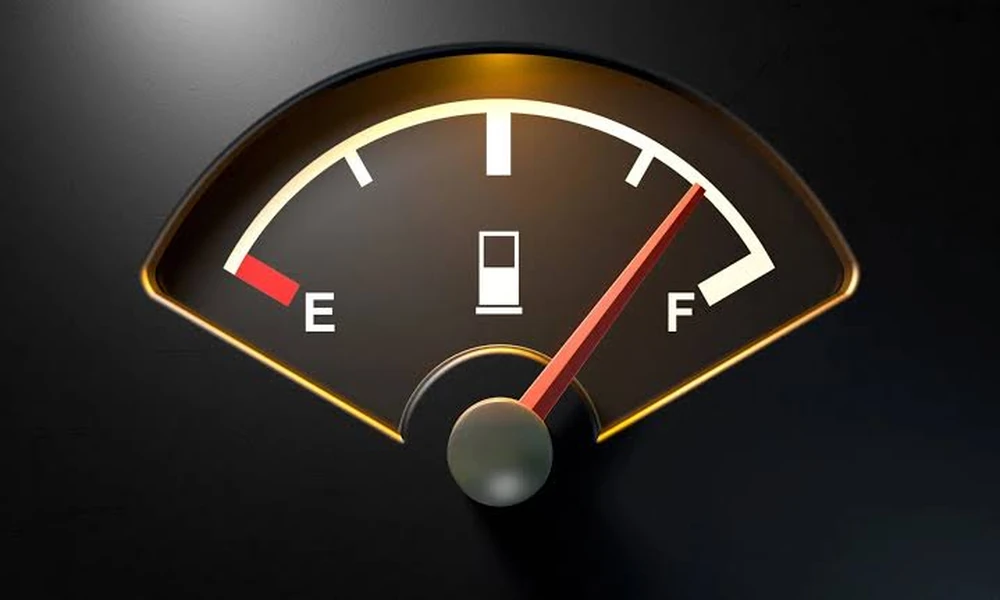
The direct answer is that approximately ¼ tank of fuel is commonly recommended for standard auto transport.
When your vehicle is shipped, it is loaded onto a carrier rather than driven cross-country. However, it is not completely stationary during the entire journey. Drivers must start and drive the vehicle onto the transport truck at pickup, move it off or re-position it during transit if other cars need to be unloaded, and drive it off at the final delivery location. Leaving about a quarter tank provides enough fuel for loading, unloading, and basic vehicle movement without adding unnecessary weight or introducing safety hazards. Filling the tank completely is entirely unnecessary and often discouraged by carriers. Customers should always follow the specific instructions provided by their auto transport company or assigned carrier.
Why Should Your Gas Tank Be About One-Quarter Full?
Maintaining a quarter tank balances operational necessity with transport efficiency.
- Weight Considerations: Excess fuel adds significant unnecessary weight to the vehicle. Gasoline weighs roughly 6 pounds per gallon. A full 20-gallon tank adds around 120 pounds of extra weight to a single car. When multiplied across an 8- to 10-car carrier, full tanks can quickly push the transporter over federal highway weight limits.
- Carrier Logistics: Auto carriers operate under strict federal and state vehicle and trailer weight restrictions. Keeping fuel levels at ¼ tank helps carriers manage overall weight distribution and remain compliant.
- Operational Needs: The transporter needs enough fuel to maneuver the vehicle during pickup, transit adjustments, and final delivery.
- Avoiding Inconvenience: Completely emptying the tank is equally problematic. An empty tank can cause a car to stall on the ramp during loading, creating delays and potential safety risks.
- The Golden Mean: The goal is to have just enough fuel for basic movement without carrying unnecessary weight across long distances.
Can You Ship a Car With a Full Tank of Gas?
While it is technically possible in some situations, shipping a vehicle with a full tank of gas is generally unnecessary and discouraged by most auto transport companies.
A full tank creates extra weight that offers zero benefit during transit. Beyond total carrier weight issues, some carriers have strict safety or operational fuel-level requirements to minimize fire hazards or fluid shifts during transit. Customers should always check their assigned carrier’s guidelines prior to pickup day.
Requirements may also differ depending on the type of transport. For example, specialized enclosed shipping, classic car transport, or overseas/ocean freight shipping often enforce even stricter fuel limits-sometimes requiring less than ¼ tank or a maximum of 1-2 gallons due to strict maritime safety regulations.
What Happens If Your Car Has Too Much Gas?
If you hand over a vehicle with a completely full tank, several complications can arise:
- Requested Fuel Reduction: The transport driver may ask you to drain or siphon excess fuel before loading the vehicle onto the carrier.
- Pickup Delays: Draining fuel at the last minute takes time and requires safe disposal, which can cause significant pickup delays or even a rescheduled pickup window.
- Confirmation is Key: You should always confirm fuel requirements with your transport representative well before the scheduled pickup date.
- Avoid Last-Minute Prep: Avoid waiting until the last minute to inspect your dashboard-check your fuel gauge a few days before the carrier is set to arrive so you can drive off excess fuel if needed.
What Happens If Your Car Has Too Little Gas?
Leaving too little fuel presents its own set of problems for the transport crew:
- Maneuvering Issues: Operable vehicles must have enough fuel to start reliably and drive up steep loading ramps.
- Risks of Stalling: If a car runs out of gas while being driven onto an upper deck, it can block the ramp or leave the vehicle stuck in an unsafe position.
- Inconvenience and Fees: An empty tank creates severe inconvenience during pickup or delivery, and some carriers may charge an extra handling fee if they have to supply fuel to move the vehicle.
- Operable vs. Inoperable: There is a major distinction between a low fuel level in an otherwise running vehicle and a genuinely non-running (inoperable) vehicle. If a vehicle runs out of fuel during transit, it effectively becomes an inoperable vehicle, which requires special winching equipment to load and unload.
How Much Gas Should Be in Different Types of Vehicles?
Different vehicle powertrains require slightly different preparation steps before auto shipping.
Gasoline-Powered Cars
Follow the standard ¼-tank guideline. Ensure there is sufficient gasoline for the driver to start the engine, drive onto the trailer, and drive off at the destination.
Diesel Vehicles
Diesel cars and trucks should follow the exact same carrier-specific fuel-level instructions as gasoline vehicles (typically ¼ tank). Do not assume diesel trucks need a full tank for transport; the added weight of diesel (around 7 pounds per gallon) makes heavy diesel vehicles even more sensitive to weight limits.
Hybrid Vehicles
Hybrids feature both an internal combustion engine and an electric battery system. Customers should follow standard carrier fuel guidelines (approximately ¼ tank of gas) while ensuring the primary 12V and high-voltage battery systems hold enough charge to start the vehicle reliably.
Electric Vehicles (EVs)
Electric vehicles do not have a gasoline tank, making battery state of charge (SoC) the main consideration:
- Keep the battery charged between 30% and 50%.
- Avoid shipping an EV at 100% charge (which accelerates battery stress during long stationary periods) or below 15% (to prevent deep discharge if cold weather affects battery health during transit).
- Always check your carrier’s specific EV state-of-charge requirements prior to pickup.
Does the Amount of Gas Affect Auto Transport Cost?
Vehicle weight plays a direct role in overall transportation logistics. Heavy loads increase carrier fuel consumption and reduce total capacity. However, the weight of a few extra gallons of gas in a single car rarely determines your individual shipping quote on its own.
Primary factors that determine auto transport pricing include:
- Pickup and Delivery Locations: Accessibility and proximity to major interstate corridors.
- Vehicle Type and Size: Oversized SUVs and trucks cost more to ship than compact sedans.
- Transport Method: Open-carrier transport vs. enclosed transport.
- Distance: Overall mileage between origin and destination.
- Vehicle Operating Condition: Operable vs. inoperable status (inoperable vehicles require winches and extra labor).
- Shipping Timing and Seasonality: Expedited delivery requests and peak seasonal demand.
Reducing your fuel level from ½ tank to ¼ tank is a safety and weight-compliance practice; it will not directly guarantee a lower shipping quote.
How to Prepare Your Car Before Auto Transport
Managing fuel is just one part of preparing a vehicle for cross-country or regional shipping. Use this guide to ensure your car is completely ready for the carrier:
Check the Fuel Level
Confirm the fuel level on your dashboard a day or two before the carrier arrives. Aim for approximately ¼ tank unless your carrier explicitly requests a different amount. Avoid topping off the tank right before pickup.
Check for Fluid Leaks
Inspect the pavement directly underneath your parked vehicle for visible oil, transmission, or coolant leaks. Address any significant mechanical leaks before shipping, as leaking fluids can drip onto cars parked below yours on a multi-deck carrier. Always inform the transport company about known mechanical issues in advance.
Check the Battery and Tires
Ensure the battery is fully charged, securely mounted, and free of terminal corrosion. Verify that all four tires are properly inflated to the recommended pressure. Proper tire inflation is essential for protecting wheels during tie-down and ensuring the car rolls smoothly during loading.
Remove Personal Belongings
Remove all personal valuables, loose items, and electronics from the interior. Standard carrier cargo insurance typically covers only the vehicle itself-not personal belongings left inside. Follow your transport company’s specific policy regarding allowed weight for personal items inside the trunk.
Clean and Document the Vehicle
Wash the exterior of your vehicle thoroughly before pickup. A clean car makes existing scratches, dents, and paint chips easier to identify during the pre-transport inspection. Take clear, high-resolution photographs from multiple angles and document all pre-existing damage before handing the keys to the truck driver.
Remove or Secure Loose Exterior Accessories
Remove non-standard accessories such as detachable bike racks, ski racks, roof boxes, aftermarket spoilers, and custom antennas. Retract or unscrew standard radio antennas where applicable. Loose exterior components risk catching wind or making contact with upper decks during transport.
What to Check With Your Auto Transport Company Before Pickup
Before pickup day arrives, clarify these key details with your auto transport provider:
- Required Fuel Level: Confirm their specific gas or EV battery charge guidelines.
- Vehicle Condition Status: Verify whether your vehicle is logged as operable or inoperable on the dispatch order.
- Personal Item Restrictions: Ask about strict weight limits or bans on personal goods inside the cabin.
- Pickup Schedule: Confirm the expected date, time window, and meeting location (especially if your street is inaccessible to large car haulers).
- Keys and Vehicle Access: Ensure you have a full set of keys (including ignition and trunk) ready to hand over to the driver.
- Special Requirements: Confirm procedures for modified, luxury, classic, electric, or oversized vehicles.
- Inspection Process: Understand how the Bill of Lading (BOL) and vehicle condition report work at both pickup and delivery.
Common Fuel Mistakes to Avoid Before Car Shipping
- Filling the Tank Completely: Topping off the tank right before handing the car over to the transporter.
- Assuming Universal Rules: Assuming every auto transport company and freight carrier operates with identical fuel rules.
- Leaving the Tank on Empty: Leaving the car on “E” or running on fumes when it needs to be driven up steep loading ramps.
- Procrastinating on Prep: Waiting until the carrier pulls up to check the gas gauge or prepare the vehicle.
- Hiding Inoperable Status: Failing to disclose that a vehicle does not start or move under its own power.
- Focusing Only on Fuel: Ignoring other essential prep steps like checking tire pressure, removing personal items, and documenting exterior condition.
- Ignoring Carrier Directions: Disregarding specific instructions provided in your carrier’s dispatch confirmation packet.
Car Shipping Fuel-Level FAQ
How much gas should I leave in my car before shipping?
An estimated ¼ tank of gas is the ideal amount recommended for standard auto shipping. Carrier-specific instructions should always take priority if they differ.
Can I ship my car with a full tank of gas?
It is strongly advised against. A full tank adds unnecessary weight to the carrier and may violate safety rules set by certain transport providers or shipping lines.
Should I completely empty my gas tank before auto transport?
No. Completely emptying the tank is impractical for an operable vehicle. The transport driver needs enough fuel to start, load, re-position, and unload the car safely.
Does gas level affect car shipping price?
Generally, no. Fuel level is a vehicle preparation requirement rather than a primary pricing factor. Shipping rates are determined by route distance, vehicle size, transport type, season, and vehicle condition.
How much gas should be in an electric vehicle before shipping?
EVs use battery charge instead of gasoline. Most carriers recommend maintaining a battery state of charge (SoC) between 30% and 50% prior to pickup.
What should I do if my car is almost out of gas before pickup?
Add just enough fuel to bring the gauge to roughly ¼ tank so the vehicle can easily start and maneuver under its own power. If the car cannot run or move, notify your transport provider immediately.
Final Car Shipping Fuel Checklist
Use this quick checklist to ensure your vehicle is completely prepared for carrier pickup:
- [ ] Fuel level is approximately ¼ tank (or adjusted to specific carrier instructions)
- [ ] Vehicle starts, turns, and moves reliably under its own power (if listed as operable)
- [ ] Car battery is fully charged, functional, and securely clamped down
- [ ] All four tires are properly inflated to manufacturer specs
- [ ] Vehicle is checked for significant fluid leaks underneath
- [ ] Personal belongings, toll passes, and valuable items are removed
- [ ] Loose exterior accessories (racks, antennas, spoilers) are removed or secured
- [ ] Exterior is washed clean for an accurate pre-transport inspection
- [ ] Clear photos documenting pre-existing exterior condition are taken from all angles
- [ ] Spare key set is ready to hand over to the transporter
- [ ] Pickup date, timing, location, and driver contact info are confirmed
How PreOwned Auto Logistics Helps Prepare Your Vehicle for Transport
Preparing a car for transport doesn’t have to be confusing. At PreOwned Auto Logistics (PAL), clear communication is integrated directly into the customer onboarding process long before the carrier arrives at your door.
When booking with PAL, customers receive explicit guidance regarding vehicle condition requirements, fuel levels, and pickup expectations. If your vehicle has special needs-whether it’s an electric vehicle requiring specific battery considerations, a classic car needing enclosed transport, or a vehicle with custom modifications-our team helps you document and plan every detail.
For first-time vehicle shippers and experienced auto owners alike, PAL delivers professional guidance across a comprehensive range of nationwide auto transport services. By confirming your vehicle-specific preparation requirements early, you ensure a smooth, on-time pickup and delivery experience from coast to coast. Contact PreOwned Auto Logistics today to request a vehicle shipping quote and receive expert support for your upcoming shipment.