
Most people order the wrong soil. Not because they’re careless, but because garden centers and bulk suppliers stock several products that sound nearly identical, and nobody explains what actually separates them. Buy topsoil when you need garden soil and your plants will sit in a dense, low-nutrient mix and stall. Buy garden soil when you need topsoil and you’ll pay for amendments your lawn will never use.
This guide cuts through the confusion with a single working rule: topsoil is for building grade and filling volume; garden soil is for feeding roots. Everything else flows from that distinction.
What Topsoil Actually Is (and Is Not)
Screened topsoil is the upper layer of earth, typically the first six to twelve inches of native ground, run through a screen to remove rocks and debris. That’s it. No added compost, no fertilizer, no pH adjustment. What you get depends heavily on where it was sourced. Good screened topsoil is dark, crumbly, and drains reasonably well. Poor topsoil is heavy clay or pale sand that barely qualifies as “dirt.”
Topsoil’s job is structural. Use it to:
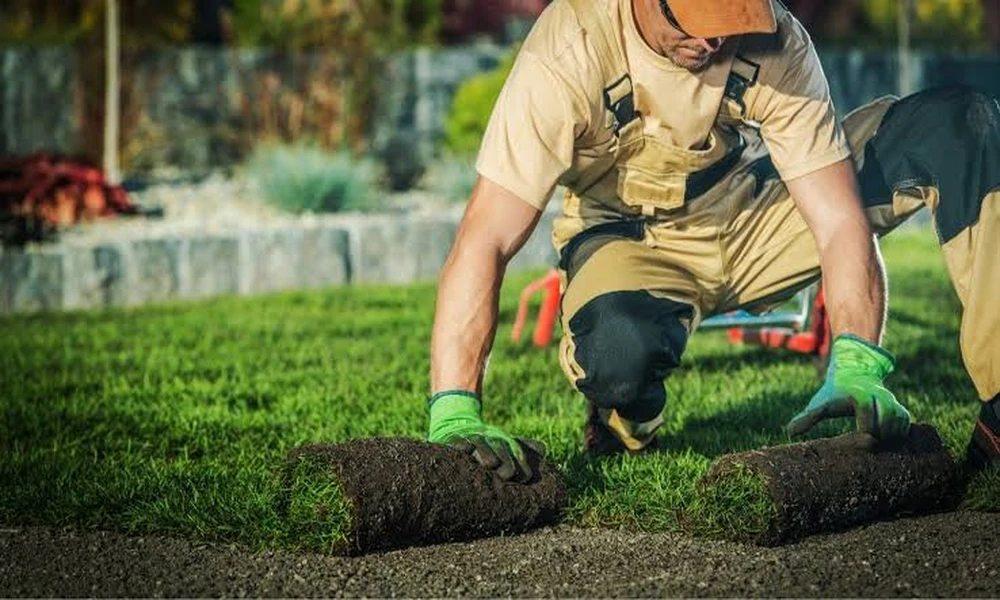
- Level a yard before seeding or sodding
- Fill low spots and correct drainage grades
- Build up raised planting areas before topping with a richer mix
- Backfill around hardscape installations like walls and steps
It is not, on its own, a great growing medium for vegetables or flowering perennials. If you’re filling a 12-inch raised bed and calling it done with topsoil alone, your plants are going to be politely miserable.
What Garden Soil and Compost Bring to the Table
Garden soil, compost mixes, and blended products like a premium soil-compost mix are all engineered with plant nutrition in mind. They contain decomposed organic matter, sometimes aged manure, leaf compost, or mushroom soil, that breaks down into the nutrients plants actually feed on. That organic content also improves soil structure, which means better drainage in heavy clay conditions and better moisture retention in sandy ones.
Compost-rich products carry one practical downside: they compress over time. A raised bed filled entirely with compost will settle noticeably in the first season. The standard fix is a blend, usually one part compost to two parts screened topsoil for new garden beds, with pure compost or a compost-soil mix reserved for the top four to six inches where roots feed most actively.
The grounds maintenance and landscaping sector in the United States employed more than 1,048,000 workers as of May 2025, according to the U.S. Bureau of Labor Statistics. That scale reflects just how much soil, mulch, and amendment product is moving through American landscapes every season, and how high the cost of a wrong material choice can be when multiplied across hundreds of yards and project sites.
The Soil Assignment Matrix: A Simple Framework
Here is a practical tool I call the Soil Assignment Matrix. Run your project through it before placing any order.
| Project Type | Primary Product | Optional Add-On |
|---|---|---|
| Lawn leveling or regrading | Screened topsoil | None needed |
| New lawn from seed | Screened topsoil (2-3 in. layer) | Bulk compost worked in lightly |
| Flower beds and perennial borders | Garden compost or compost-soil blend | Leaf compost as top dressing |
| Raised vegetable beds | Premium soil-compost mix | Mushroom soil for added nutrients |
| Baseball or sports infield | Infield mix (clay-sand-silt blend) | None; specialized product required |
| Hardscape backfill | Screened topsoil | None needed |
The matrix collapses most landscaping decisions to one question: is this project about structure or about feeding roots? Structure gets topsoil. Root feeding gets compost or a blended mix.
pH and Soil Health: The Part Most People Skip
Soil product matters, but soil chemistry can override all of it. A nutrient-rich garden mix delivers zero benefit if the pH sits outside the range your plants prefer. According to Penn State Extension’s home garden soil management guidance, grapes prefer a soil pH between 5.6 and 6.4, while stone fruits perform best between 6.0 and 6.5, and testing and amending soil regularly based on the specific crops you grow is essential for sustained productivity.
Before you order any bulk product, get a soil test. Penn State Extension offers inexpensive soil testing for Pennsylvania residents, and the results will tell you whether lime or sulfur needs to go down alongside whatever soil product you choose. Skipping this step is the second most common mistake after ordering the wrong soil type in the first place.
“Soil is a lively interaction between structured solids, living microorganisms, and plant roots, as well as water, air, and nutrients.” Penn State Extension, Practical Tips for Healthy Soil in a Home Garden
That framing matters for buying decisions. You are not just buying dirt. You are buying a biological environment. A rich mushroom soil or a well-cured leaf compost brings active microbial populations that cheap fill dirt simply does not have.
Buying Bulk: How to Estimate Volume and Avoid Overspending
Buying in bulk is almost always the right move for projects covering more than 50 square feet. Bagged products cost more per cubic yard, generate a lot of plastic waste, and run out mid-project at inconvenient moments. A bulk order from a reliable topsoil and garden soil supplier PA homeowners and contractors trust means one delivery, one price, and enough material to finish the job without a second trip to the hardware store.
Here is how to calculate what you need. Measure the length and width of the area in feet, multiply them together, then multiply by the desired depth in feet. Divide that number by 27 to convert cubic feet to cubic yards. A 20-by-30-foot garden bed filled to six inches deep requires roughly 11 cubic yards. Most homeowners underestimate by 15 to 20 percent, so round up.
One concrete scenario worth running: a suburban backyard raised-bed project in Pennsylvania, three beds each 4 feet by 8 feet, filled to 12 inches. That is roughly 3.6 cubic yards of material. If you use a premium soil-compost blend for the top six inches and screened topsoil for the bottom six, you split the order between two products. The cost difference between bagged and bulk at that volume is significant, often 30 to 40 percent cheaper in bulk, and you get a consistent product throughout rather than bag-to-bag variation.
Specialty Soils for Specific Situations
Two products worth knowing beyond the basics:
Mushroom soil is a byproduct of commercial mushroom farming and one of the most nutrient-dense organic amendments available in the mid-Atlantic region. It’s particularly good for vegetable beds and works well worked into heavy clay soil to improve drainage. Use it at a ratio of about one part mushroom soil to two parts native soil or topsoil.
The USDA Natural Resources Conservation Service notes in its Soil Carbon Amendment guidance (2022) that applying organic amendments derived from plant or animal residues improves the physical, chemical, and biological properties of soil, with compost application consistently improving urban soil properties where organic matter has been depleted.
Infield mix is a completely different animal. It’s a calibrated blend of clay, sand, and silt engineered for drainage and compaction resistance on sports fields. If you’re maintaining a baseball diamond or multi-use athletic surface, this is the only product worth ordering. Don’t improvise with topsoil and call it close enough.
The One Decision That Actually Matters
After years of landscaping conversations, the single question that resolves almost every soil purchase is this: what do you want to grow, and where do the roots live?
If roots are going two inches into a lawn, screened topsoil with a light compost top-dress is plenty. If roots are going eight inches into a raised vegetable bed, give them a rich, biologically active mix. Match the product to the root zone, not to the surface you can see, and you’ll make the right call every time.
Your local bulk supplier should be able to walk you through the specific products they stock and help you match them to your project. If they can’t do that, find one who can.