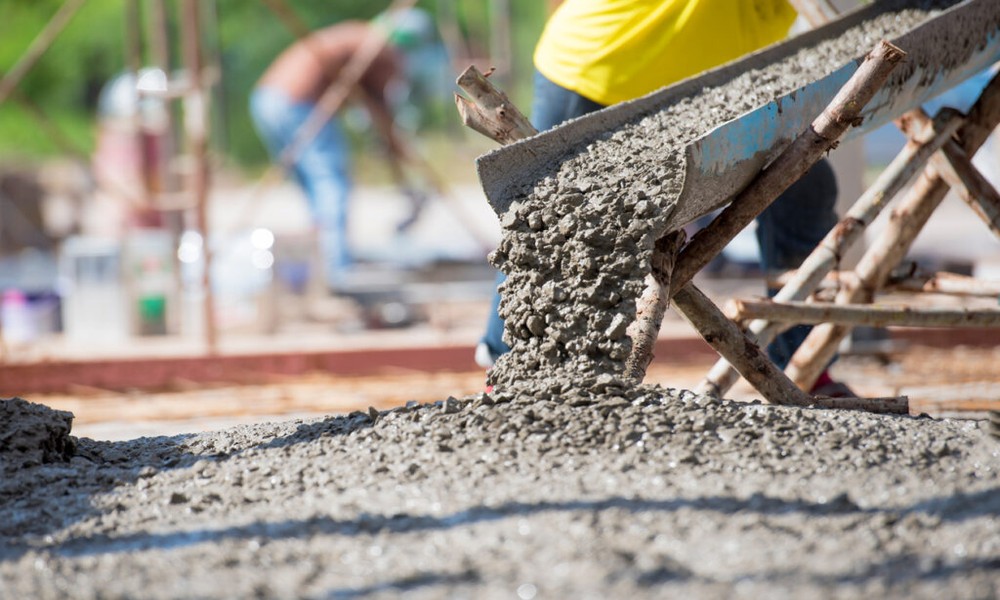

Concrete is one of the most essential materials in construction, forming the backbone of buildings, roads, bridges, and infrastructure. While cement often gets the spotlight, it is the combination of cement with sand, aggregates, and water that truly determines the strength and durability of a structure.
Understanding the science behind sand to mix with cement is key to achieving stable, long-lasting construction.
What Happens When Cement and Sand Are Mixed?
When cement is combined with water, it undergoes a chemical reaction called hydration. This process forms a paste that binds sand and aggregates together into a solid mass.
Sand acts as a fine aggregate that fills voids and improves the density of the mixture, resulting in stronger and more stable concrete.
The Role of Sand in Concrete
Sand is not just a filler-it plays a vital role in enhancing concrete performance.
Key Functions of Sand
- Fills gaps between coarse aggregates
- Improves workability and ease of placement
- Reduces shrinkage and cracking
- Enhances surface finish
- Contributes to overall strength and density
The quality of sand, including its particle size, shape, and cleanliness, directly impacts the final result.
The Importance of the Right Mix Ratio
The proportion of cement to sand significantly affects the strength and durability of concrete.
Common Mix Ratios
- 1:2 (Cement : Sand) – Used for plastering and mortar work
- 1:3 – Used for brick masonry
- 1:2:4 (Cement : Sand : Aggregate) – Used for general concrete work
Choosing the correct ratio ensures optimal performance for different applications.
Water-Cement Ratio: A Critical Factor
The amount of water used in the mix plays a crucial role in determining concrete quality.
- Excess water leads to weak and porous concrete
- Insufficient water results in poor bonding and incomplete hydration
Maintaining the correct water-cement ratio is essential for achieving maximum strength.
How Proper Mixing Improves Durability
Better Bonding
Correct proportions create a strong bond between cement paste and aggregates.
Reduced Voids
Sand fills empty spaces, minimizing air pockets and increasing density.
Improved Strength
Balanced mix design ensures optimal compressive strength.
Enhanced Resistance
Properly mixed concrete is more resistant to weathering, moisture, and wear.
Factors Affecting Concrete Quality
Several factors influence the final strength and durability of concrete:
- Quality of raw materials
- Accurate batching and mixing
- Proper compaction
- Adequate curing
- Environmental conditions during setting
Each of these must be carefully controlled for best results.
Modern Practices in Concrete Mixing
Advancements in construction have improved the quality and consistency of concrete through:
- Ready-mix concrete plants
- Use of chemical admixtures
- Automated batching systems
- Quality control testing
These practices help ensure reliable and high-performance concrete in modern projects.
Applications of Properly Mixed Concrete
Concrete made with the right sand and cement mix is used in:
Its durability and strength make it indispensable in construction.
Conclusion
The strength and stability of any structure depend on the quality of its concrete. By understanding the science behind mixing sand with cement and maintaining the right proportions, builders can create durable and long-lasting structures.
In construction, precision matters. The right mix not only ensures strength but also enhances the lifespan and performance of the structure.